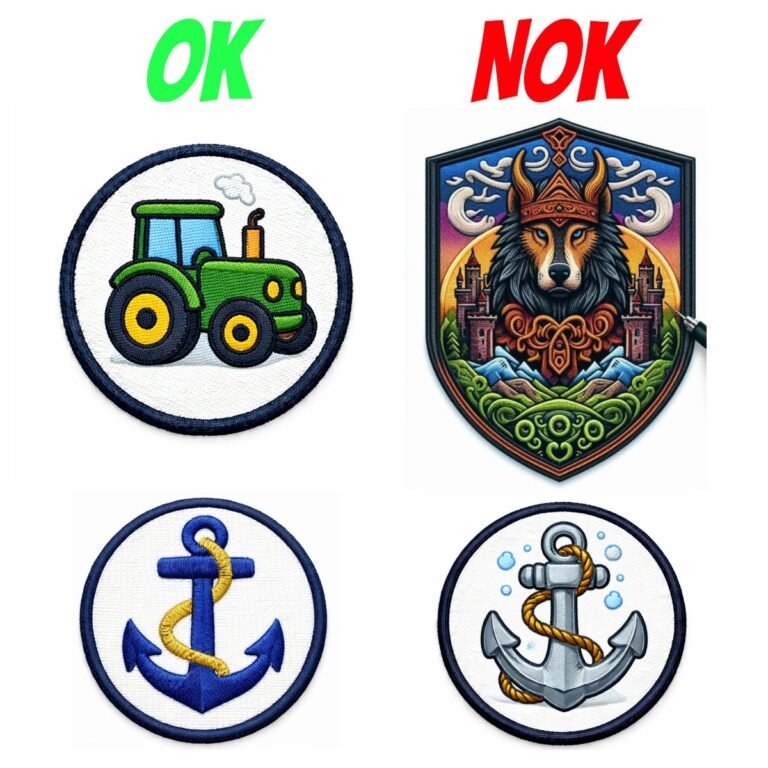
based on 5000+ sales. Wholesale discount applied automatically any 10+ pcs
Fonts in Business Brand Merch: How to Use Them Safely (Without Costly Mistakes)
Fonts are a powerful part of branding. They shape how a company looks, and is remembered.
However, fonts are also one of the most misunderstood areas of branding — especially when designs move from laptop to physical production as merch printing or embroidery.
This post explains how font licensing works and how businesses can use fonts safely in logos, uniforms, signage, patches and printed materials.
Fonts are software, not just shapes
Fonts are protected intellectual property. When you “download a font,” you are not buying the font itself — you are buying a licence to use it under specific conditions.
Most font licenses define:
- who can use the font
- how it can be used
- whether third parties may reproduce it
This matters especially once branding moves beyond digital use, and you start creating merch or other physical branded business assets.
Personal use vs commercial use
Many fonts found online are marked as:
- “free for personal use”
- “personal use only”
This means:
- hobbies
- private projects
- non-commercial use
Once a font is used by a business — even for a single item — it becomes commercial use.
If a company commissions a supplier to produce items using that font, the usage is commercial regardless of the end purpose.
Why production changes the rules
Using a font in a design file is one thing.
Reproducing it on physical products is another.
Production methods such as:
- embroidery
- printing
- engraving
- signage
often by a third-party manufacturer.
Many font licenses restrict or exclude this type of use unless explicitly permitted.
Disclaimer: This post is not a professional advise, please consult with your lawyer.
The risk is not theoretical. Font foundries actively monitor usage and issue claims. This can be costly and disruptive — especially for small businesses.
Best practices for safe font use in branding
1. Hold the license at brand level
Font licenses should be owned by the brand, not by individual suppliers.
This allows consistent use across:
- websites
- uniforms
- signage
and avoids future conflicts.
2. Check license scope early
Before production, confirm that the font license allows:
- commercial use
- reproduction in physical products
If unclear choose a safer alternative.
3. Consider open-license fonts
Fonts from the Google Fonts collection are often free for commercial use and widely accepted for branding and production. Still check license terms for a font that you have chosen.
Open-source fonts offer:
- clarity
- flexibility
- no licensing surprises
4. Allow adaptation for production
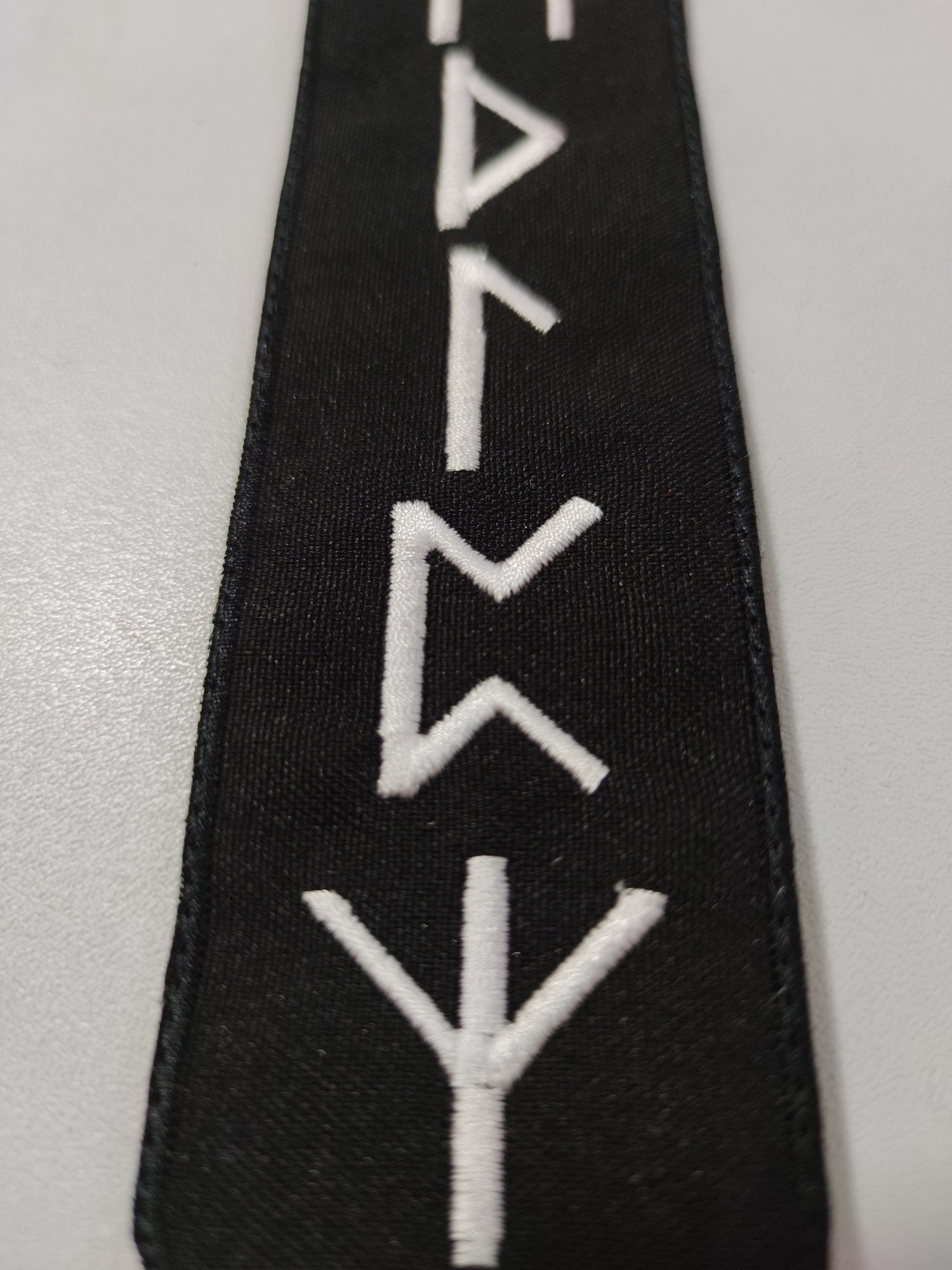
Embroidery and print often require simplification or adaptation for quality and durability.
Allowing this ensures that merch is with:
- better results
- fewer technical issues
- lower risk
5. Document confirmation
A written confirmation that the font is licensed for commercial reproduction is usually sufficient.
This protects both the brand and the supplier.
Final thought
Fonts are an investment in your brand.
Using them correctly protects not only your visual business identity but also your business relationships and future growth.
When in doubt, clarity is always cheaper than correction later.
Usually no. Desktop licenses are intended for design use, not third-party production, unless explicitly stated.
An image helps visually, but it does not automatically remove licensing requirements if the font is clearly identifiable.
If a business produces the item, it is considered commercial use.
Using fonts with clear commercial licenses or open-source fonts designed for business use.