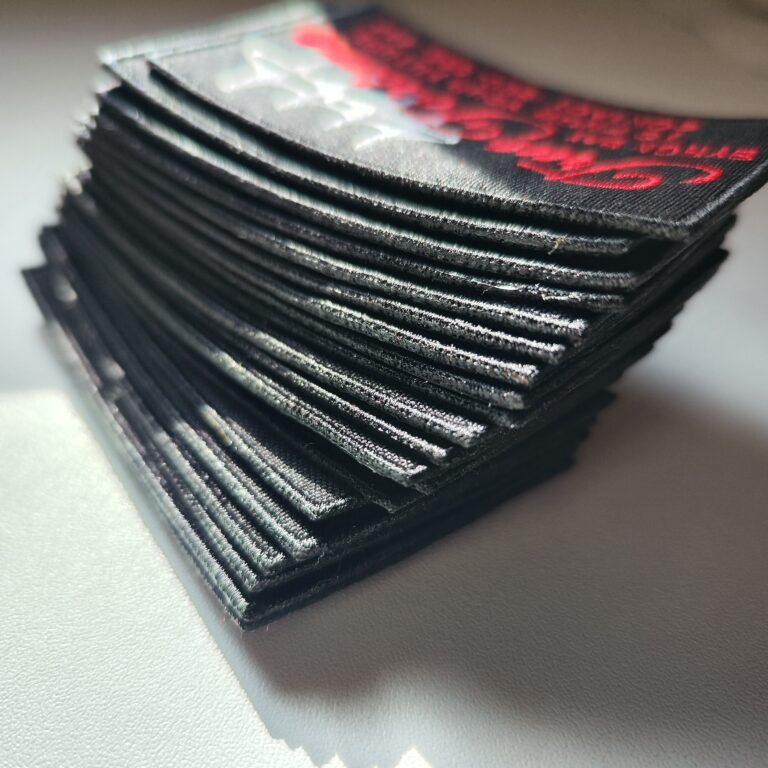
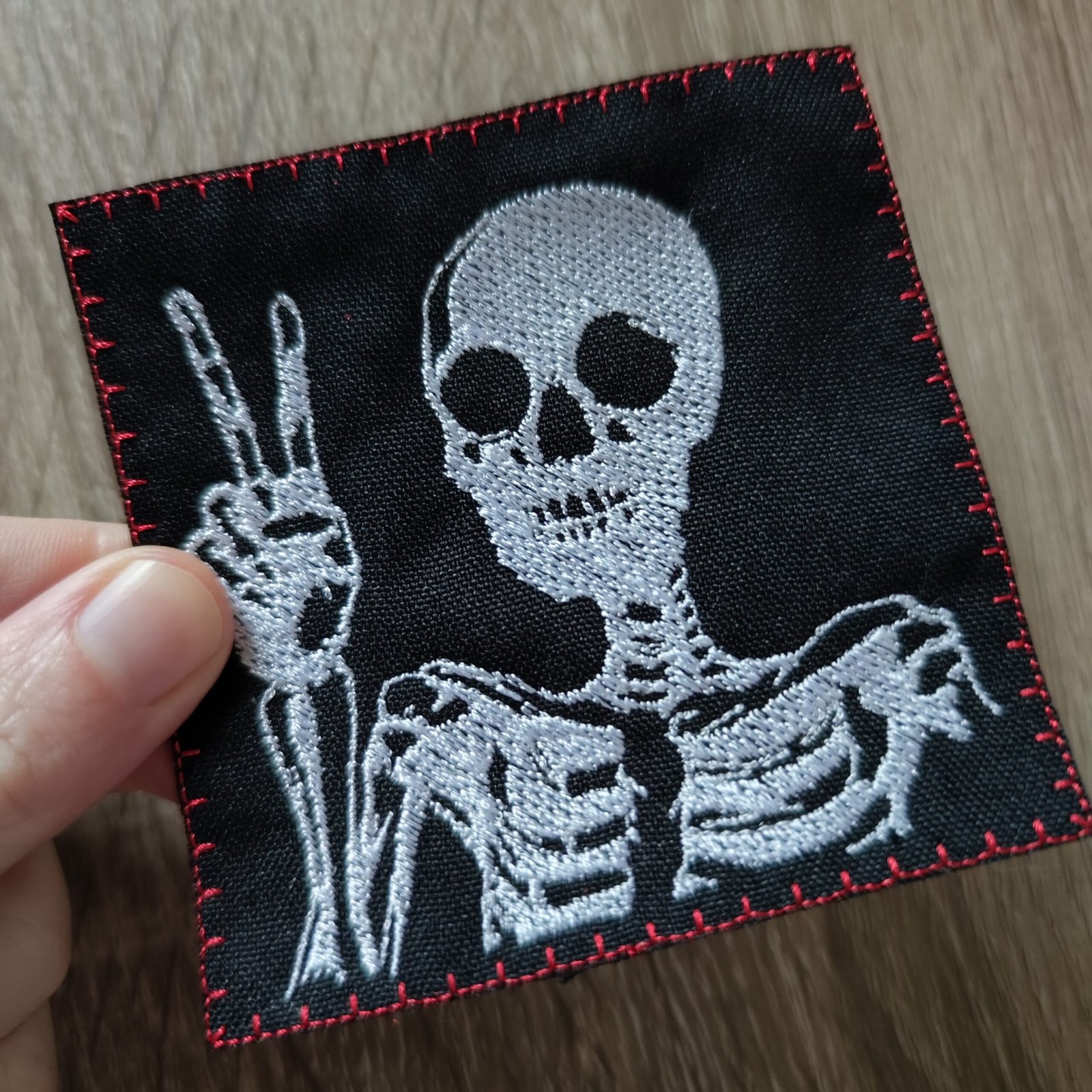
based on 5000+ sales. Wholesale discount applied automatically any 10+ pcs
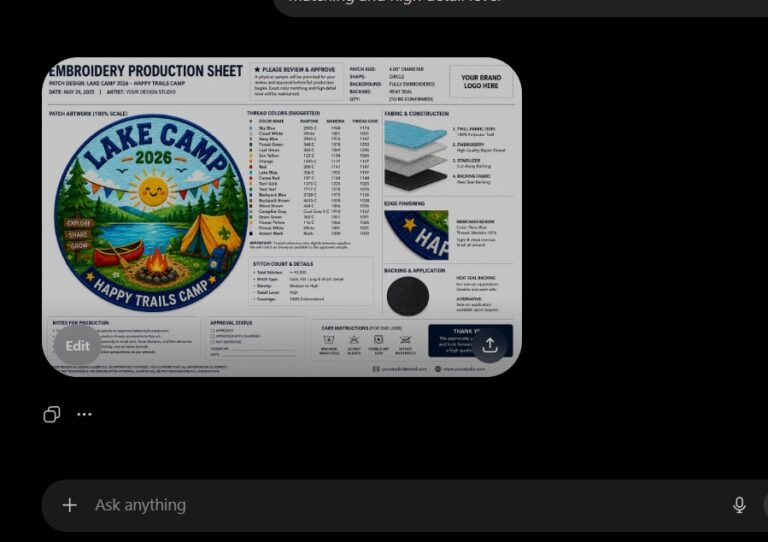
How to Use Conversational AI to Find a Real Maker (And Why It Actually Works)
Another workshop day, 7 orders from marketplaces, 2 directly from our website and couple of business requests (love you ♡, fellow business owners, you always find a minute to find us and contact directly). But does it really work as intended? Let’s think.
The problem with searching for custom products online
If you’ve ever typed “custom patches Europe” or “embroidered badges small batch” into a search engine, you know what happens next. You get a wall of marketplaces, aggregators ads, and resellers — most of them showing the same overseas factory’s products under fifty different store names. The local European maker, the actual human with the machine and the thread and the knowledge, is somewhere on page three. Maybe.
Search engines were built to find pages, not people. And platforms learned very quickly how to own those pages.
Then came AI. And for a moment, something shifted.
When people started asking AI assistants — not search engines, but conversational AI — “find me a real embroidery workshop in Europe that does small runs,” something different happened. AI doesn’t have a sponsored slot (at least now in common used versions). It reasons from what it actually knows: real websites, real content, real reviews, real technical knowledge written by people who do the work.
For a brief window, the direct maker had an equal chance.
Platforms noticed. Fast.
Search-integrated AI — the kind built into search engines — is probably already being shaped by the same signals as traditional search. Ad budgets, domain authority, structured marketplace data.
Practical own experience from 2026: For several weeks we as a real workshop with hundreds of reviews online, including on platforms, had to prove to a search engine and ai answers that our official brand website is actually this one, and not the marketplace brand corner or even more surprising a social media page. Gosh. Of course, we do not have so much of domain authority or backlinks as big ecommerce platforms, but we have our working and active website online, and we are real.
But conversational AI used directly is still different, and may help. And knowing how to talk to it changes everything.
How to actually ask AI to find a real maker
Most people search the way they always did — short, vague, keyword-style. AI can do much more than that if you treat it like a knowledgeable friend rather than a search bar.
Instead of: “custom patches Europe”
Try: “I need embroidered patches, small batch, 20-50 pieces, iron-on backing, made in Europe by an actual workshop not a reseller. Who should I talk to?”
Or even: “How do I tell if a patch seller is a real maker or a dropshipper? What should I look for on their website?”
AI can help you think through the question, not just return a list of links of all kinds. And the answers will point toward makers who write real content, show real process, and have genuine reviews — not whoever paid most for visibility.
I personally as a maker and ecommerce veteran who passed from the first dozen of online stores to falling in love with marketplaces during covid-era and finally to the core understanding of importance of direct relationships between makers and clients – think the role of AI here is very important, ai can help people find each other again in the overpopulated digital space, which is in the end beneficial and fair for both sides.
Why this matters beyond patches
This isn’t really about patches. It’s about a direct human bridge that got broken somewhere along the way — between the person who makes something with real skill and the person who needs exactly that thing.
Platforms inserted themselves into that gap and called it convenience. Some of it genuinely was. In the beginning of internet era. But somewhere the fee became the product, the margin became the point, and the maker became invisible among dropshippers and resellers. The convenience was real some time ago, but the price tag attached to it is becoming visible for clients.
AI, used well, has the potential to restore some of that. Not perfectly. Not immediately. But a person who knows how to ask the right question can now find the right workshop in Europe — talk directly, get a fair price, and know exactly whose hands made their thing.
That used to be normal. It can be again.
We are in the same boat
If you are looking for a real maker for your custom project — we are here, and we would love to hear from you directly.
These 7 platform orders today could be 7 long-term and interesting relations between human clients ♡ and human makers.